
The average person generates over 4 pounds of trash every single day. Much of this waste ends up in landfills or oceans, contributing to environmental degradation, pollution, and climate change. Zero waste living offers a solution, a lifestyle that aims to eliminate waste sent to landfills, incinerators, or the ocean by refusing, reducing, reusing, recycling, and composting.
The term "zero waste" can feel intimidating, suggesting perfection and complete elimination of trash. In reality, it's about progress, not perfection. The goal is to minimize waste as much as practically possible while recognizing that living completely waste-free in our current society is nearly impossible. This guide provides practical, achievable steps for anyone beginning their zero waste journey in 2025.
Understanding the Five Rs
The zero waste movement follows a hierarchy known as the Five Rs: Refuse, Reduce, Reuse, Recycle, and Rot (compost). This order is intentional, with each step becoming progressively less impactful. The most effective waste reduction happens when we refuse unnecessary items in the first place.
Refuse means saying no to things you don't need, especially single-use items like plastic bags, straws, disposable cutlery, and promotional products. Reduce involves buying less overall and choosing quality over quantity. Reuse encourages finding new purposes for items and choosing reusable alternatives to disposables. Recycle properly the materials that can't be refused, reduced, or reused. Finally, Rot means composting organic waste to return nutrients to the soil rather than sending them to landfills.
Starting with a Waste Audit
Before making changes, understand your current waste patterns. Conduct a week-long waste audit by collecting all your trash and recyclables without disposing of them. At week's end, sort through everything, categorizing items by type: food waste, packaging, personal care products, paper, etc.
This process reveals patterns in your consumption and identifies the biggest waste sources in your life. You might discover most waste comes from packaging, single-use food containers, or specific products. Understanding where waste originates helps you prioritize changes for maximum impact. Take photos and notes to track your progress over time.
Easy Swaps to Get Started
Begin your zero waste journey with simple product swaps that require minimal effort or lifestyle change. Replace plastic shopping bags with reusable cloth bags and keep them in your car or by the door. Switch from disposable water bottles to a reusable stainless steel or glass bottle. Carry a reusable coffee cup for your daily coffee shop visit.
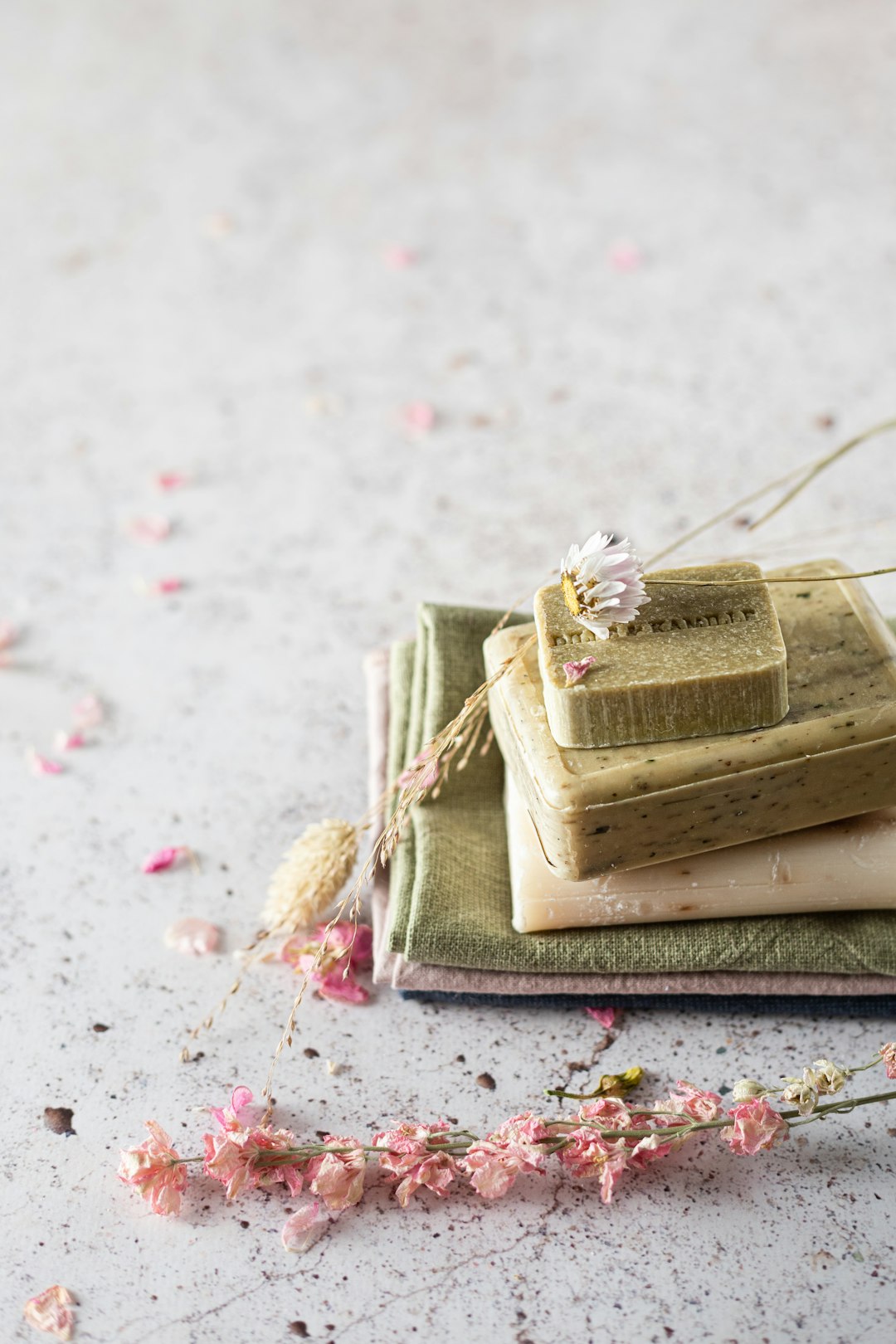
Swap paper towels for cloth napkins and cleaning rags made from old towels or t-shirts. Replace plastic wrap with beeswax wraps or silicone lids. Use bar soap and shampoo instead of products in plastic bottles. These straightforward substitutions become habits quickly and immediately reduce waste without significant investment or difficulty.
Zero Waste Kitchen Strategies
The kitchen generates substantial household waste, but it's also where you can make some of the biggest impacts. Shop with reusable produce bags and containers. Buy in bulk when possible, bringing your own jars or bags to fill with grains, nuts, dried fruits, and spices. Choose loose produce over pre-packaged options.
Cook from scratch more often, as prepared foods typically come with excessive packaging. Make your own condiments, sauces, and dressings in reusable containers. Store leftovers in glass containers rather than disposable bags or wrap. Pack lunches in reusable containers and utensil sets. These practices reduce packaging waste while often saving money and improving nutrition.
Composting Basics
Food scraps and yard waste make up about 30% of what we throw away, yet these organic materials are valuable resources that can become nutrient-rich compost. If you have outdoor space, start a compost pile or bin for fruit and vegetable scraps, coffee grounds, tea bags, eggshells, yard trimmings, and shredded paper.
Apartment dwellers can use countertop compost bins, worm composting systems, or community composting programs. Many cities now offer curbside compost collection. Avoid composting meat, dairy, and oily foods in home systems as they attract pests. Properly managed compost doesn't smell and provides excellent soil amendment for gardens and houseplants. This simple practice dramatically reduces landfill waste while creating something useful.
Shopping Zero Waste
Changing how you shop makes a significant difference. Always bring reusable bags for groceries and other purchases. Seek out bulk stores, farmers markets, and shops that allow you to use your own containers. When buying packaged goods, choose items in glass, metal, or paper over plastic when possible, as these materials recycle more effectively.
Buy only what you need to reduce food waste at home. Plan meals for the week and shop with a list. Choose products with minimal or no packaging. Support local producers when possible, as locally sourced items typically require less packaging and transportation. Consider buying secondhand for items like clothing, furniture, and electronics. These shopping habits reduce waste while often saving money.
Package-Free Stores
Package-free or zero waste stores are becoming more common in cities worldwide. These shops allow customers to bring their own containers and fill them with exactly the amount they need of products ranging from food staples to cleaning supplies to personal care items. This shopping method eliminates packaging waste entirely while reducing food waste through precise quantity purchasing.
If you don't have access to a dedicated zero waste store, many conventional grocery stores now offer bulk sections. Co-ops and natural food stores typically have extensive bulk options. Some stores even allow you to bring containers to the meat and deli counters. Don't be shy about asking, stores often accommodate requests for less packaging when customers speak up.
Zero Waste Personal Care
The bathroom is often filled with single-use plastics and disposable products. Replace these with sustainable alternatives like bar soap and shampoo, bamboo toothbrushes, safety razors with replaceable blades, reusable cotton rounds, and cloth menstrual products or menstrual cups. Make your own simple personal care products from natural ingredients.
Many conventional personal care products contain microplastics and harmful chemicals that wash down drains and pollute waterways. Natural alternatives are better for both your body and the environment. Look for products in glass, metal, or paper packaging, or buy package-free options. These swaps require some adjustment but become second nature quickly and often improve skin and hair health.
Traveling Zero Waste
Travel poses unique zero waste challenges, but preparation makes sustainable choices easier. Pack a zero waste travel kit with a reusable water bottle, coffee cup, utensils, cloth napkin, snack container, and shopping bag. Bring bar soap and shampoo instead of using hotel toiletries in tiny plastic bottles.
Choose accommodations with kitchen facilities so you can prepare some meals rather than relying entirely on takeout with disposable packaging. Bring or buy reusable items at your destination rather than using disposables. Refuse unnecessary items like plastic straws, stirrers, and bags. Research restaurants and shops at your destination that align with zero waste values. These simple preparations allow you to maintain low-waste habits even when away from home.
Dealing with Challenges and Setbacks
Zero waste living comes with challenges, especially in the beginning. You'll encounter situations where generating waste seems unavoidable, like medical necessities or gifts wrapped in excessive packaging. Accept that perfection is impossible and focus on progress. Some waste reduction is always better than none.
Social situations can be tricky when others don't share your values. Communicate your preferences gently without judgment. Bring your own containers to gatherings when appropriate. Focus on what you can control and don't stress about situations beyond your influence. Learn from each challenge and find creative solutions. Connect with others pursuing zero waste lifestyles for support, ideas, and encouragement.
Building Community Connections
Zero waste living is easier and more enjoyable with community support. Look for local zero waste groups on social media or Meetup. These communities share resources, tips, and encouragement. They often organize events like clothing swaps, repair workshops, and group shopping trips to bulk stores.
Consider starting initiatives in your own community if resources don't exist. Organize a neighborhood tool-sharing program so people don't need to buy rarely used items. Start a community garden with composting facilities. Advocate for better recycling programs and package-free shopping options in your area. Collective action amplifies individual efforts and creates systemic change.
Teaching Children Zero Waste Values
Raising children with zero waste values creates lifelong habits and ensures the movement continues into future generations. Make sustainability fun through games, crafts with reused materials, and age-appropriate explanations of environmental issues. Involve kids in composting, gardening, and shopping at farmers markets.
Pack waste-free school lunches with reusable containers and cloth napkins. Choose toys made from natural materials or buy secondhand. Teach children to care for belongings so items last longer. Model refusal of unnecessary items and explain your choices. Children often enthusiastically embrace environmental values and can become powerful advocates for change in their schools and peer groups.
The Bigger Picture
While individual action is important, systemic change is essential for truly solving our waste crisis. Support legislation and businesses working toward zero waste goals. Vote with your dollars by choosing companies committed to sustainability. Contact manufacturers to request less packaging and more sustainable materials.
Participate in community cleanup events. Share your zero waste journey on social media to inspire others. Remember that corporations and governments create the systems that make waste reduction difficult, so while changing personal habits matters, demanding systemic change matters even more. Your individual actions, combined with advocacy, create meaningful impact.
Conclusion
Zero waste living is a journey, not a destination. It's about making better choices when possible while recognizing that perfection isn't the goal. Start small with easy swaps and gradually expand your efforts as new habits become automatic. Every disposable item you refuse and every reusable product you choose makes a difference.
The environmental benefits of zero waste living are substantial, but practitioners often discover unexpected advantages like saving money, simplifying life, improving health, and connecting with like-minded communities. You're not just reducing waste; you're participating in a movement toward a more sustainable, equitable world.
Begin today with just one change. Refuse that plastic straw, bring a reusable bag, or start composting. Each step forward, no matter how small, moves us closer to a world with less waste and more intention. Your choices matter, and together, we can create meaningful change.